Specialty Roofing Systems Tennessee: A Property Owner’s Guide
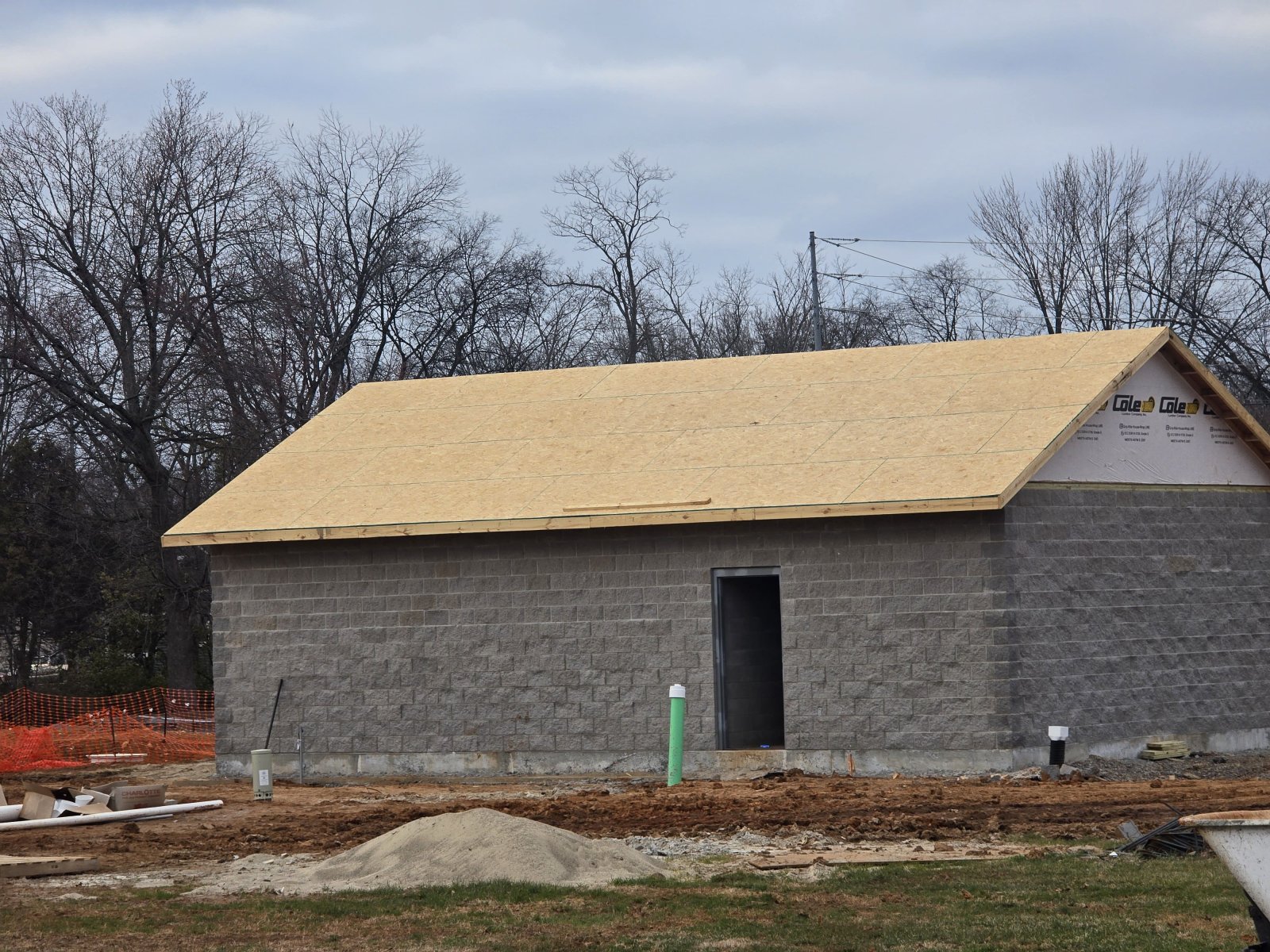
The roof with the most distinctive look isn’t automatically the right fit for your property. Choosing among specialty roofing systems Tennessee property owners consider means looking beyond appearance to the building’s structure, roof shape, current condition, and intended use.
To narrow your options, compare where each system is commonly used, what your roof inspection reveals, and what work the project requires. This guide reviews metal roofing, asphalt shingles, and commercial membranes, then outlines questions to ask a contractor about materials, installation details, and project scope.
Ultimate Solution Roofing & Exteriors provides residential and commercial roofing services throughout Middle Tennessee, including specialty roofing, roof repair, and assistance with insurance solutions. A professional assessment can help connect your roof’s condition and project goals to options worth discussing.
Key Takeaways
- Specialty roofing systems Tennessee property owners consider can include options for homes and commercial buildings, depending on the building and its needs.
- Compare metal, asphalt shingles, TPO, PVC, and EPDM by their common applications, then ask which details need contractor confirmation.
- Use roof age, damage extent, material condition, leak history, and expected service life to guide repair or replacement discussions.
- Prepare for an inspection by describing the building and its concerns, then review suitable options and the proposed project scope.
- Ask a Middle Tennessee roofing professional to explain how each recommendation fits your roof’s inspected condition.
Specialty Roofing Systems in Tennessee: What Counts and Who Needs One?
A specialty roof is a material or complete roofing system selected to meet a property’s design, condition, or intended use. The term can describe a residential metal roof or a commercial roof covered with a membrane. It doesn’t mean one option is automatically better than asphalt shingles or another familiar material. The right fit depends on the building and the work it needs.
Roof shape is one useful starting point. A gable, hip, or mansard roof can present different design details for a contractor to assess. This list of roof shapes offers examples to help you describe your building, but the shape alone doesn’t determine which material is appropriate. Existing conditions and professional assessment matter, too.
Which roofing systems may be considered specialty options?
Metal roofing may be considered for residential or commercial projects when it suits the building’s design and requirements. For some commercial applications, a membrane system may be considered. TPO stands for thermoplastic polyolefin, PVC for polyvinyl chloride, and EPDM for ethylene propylene diene monomer. These are different roofing membrane materials. Asphalt shingles are another residential option to compare when reviewing a project.
Each option has its own installation details and requirements. Ask the contractor which systems fit the building, what inspection findings support the recommendation, and what still needs confirmation for your project. You can also review specialty roofing services as you prepare questions.
When should a Tennessee property owner explore specialty roofing?
Consider the whole project, not just the material label. Start with these questions:
- Property type: Is the building residential or commercial, and how is the roof used?
- Roof design: What is the roof’s shape, and are there features that may affect the proposed system?
- Existing condition: What is the roof material’s current condition? Are there signs of damage or leaks?
- Project goals: Are you addressing a localized issue, planning a replacement, or assessing options for a new project?
A roof inspection helps identify conditions that may affect material recommendations and project scope. If you’re considering specialty roofing systems Tennessee property owners may choose, ask for an explanation of suitable alternatives rather than assuming a particular category will work. A clear recommendation should connect the building’s design, existing roof conditions, and project goals to the proposed system.
How Tennessee Roof Design and Material Needs Shape System Selection
Start with the building, not a ranking of materials. Roof slope and shape, drainage design, existing material, and how the property is used can all affect which systems merit review. In Middle Tennessee, an inspection can help identify conditions specific to the property instead of relying on general assumptions about the region.
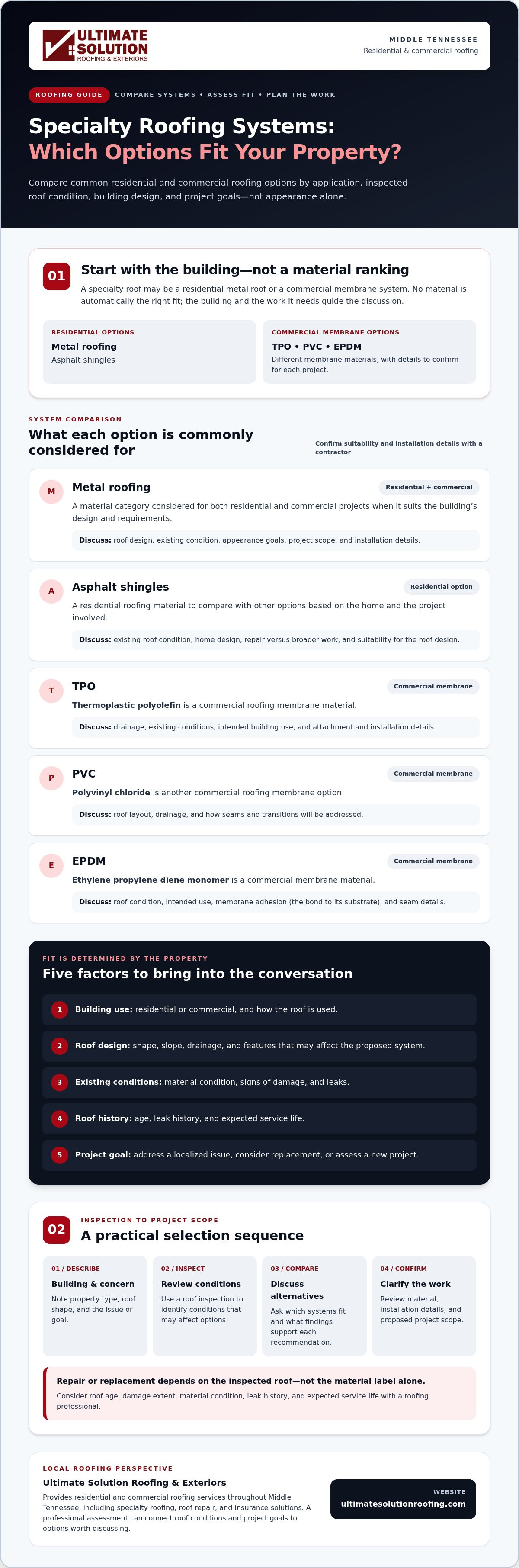
The options below serve different applications. Use the questions to compare them with a contractor:
- Metal roofing: Commonly considered for residential and commercial projects. Ask how the roof design, current condition, appearance goals, and project scope relate to the proposed system. Confirm installation details for the building.
- Asphalt shingles: A residential material to consider alongside metal. Discuss the existing roof, its condition, the home’s design, and whether the project involves repair or broader work. Confirm suitability for the roof design and project scope.
- TPO: Thermoplastic polyolefin, a commercial roofing membrane. Ask how drainage, existing conditions, and intended building use factor into the recommendation. Confirm attachment and installation details.
- PVC: Polyvinyl chloride, another commercial membrane option. Ask how the roof’s layout and drainage affect the proposed work. Confirm how seams and transitions will be addressed.
- EPDM: Ethylene propylene diene monomer, a commercial membrane material. Ask how the roof’s condition and intended use affect its suitability. Confirm membrane adhesion, the bond between the membrane and its substrate, and seam details.
Residential roofing options: metal and asphalt shingles
Metal and asphalt shingles are distinct material categories, not a simple better-or-worse choice. Your roof’s design and condition, the appearance you want, and the project scope can help frame the discussion. Ultimate Solution’s residential roofing services page provides more information for homeowners reviewing their options.
Commercial membranes: TPO, PVC, and EPDM
These membrane systems have different material names, but the label alone won’t establish a good fit. A professional should assess the roof condition, drainage, membrane adhesion, and seams, then explain how those findings relate to the proposed system. See Ultimate Solution’s commercial roofing services for commercial property owners.
As you compare specialty roofing systems Tennessee property owners may consider, ask the contractor to explain why each option fits your inspected roof and what still needs confirmation. For questions about contractor licensing, consult the Tennessee Board for Licensing Contractors.
Specialty Roofing Systems Compared: Questions That Prevent a Poor Fit
A specialty roof material isn’t automatically right for a property just because it’s designed for a particular look or application. The roof’s actual condition and the property’s needs should guide the recommendation. A material label alone can’t tell you whether targeted roof repair or replacement makes sense.
For a sound comparison, review the roof’s age, damage extent, existing material condition, leak history, and expected service life. These factors help frame the roof repair versus replacement decision. For example, a localized concern on a roof that remains in serviceable condition may lead to a different discussion than widespread damage or recurring leaks. An inspection is needed to establish what’s happening on your property and which options merit consideration.
What property details should guide the comparison?
Share what you know: active leaks, visible damage, prior repairs, and areas you believe need closer assessment. The roof’s layout, drainage, access, existing material, and the building’s use also help define the project scope. Don’t climb onto the roof to check these conditions. A professional inspection is needed to assess the roof safely and identify concerns that may not be visible from the ground.
For commercial membrane systems, a contractor may need to review membrane adhesion and seam details. For any roof, ask whether the inspection found conditions that affect the proposed work. If the roof has storm damage, active leaks, or signs of structural concerns, arrange a professional inspection rather than attempting to assess it yourself.
What should you ask about a proposed roofing system?
A recommendation should connect the inspection findings to a clear reason for selecting a material. Ask the contractor to explain alternatives and details that still require confirmation, including relevant manufacturer or system requirements.
- Why does this system fit my roof? Ask which design, condition, or building-use details support the recommendation.
- What alternatives did you consider? Request a straightforward comparison, including why other suitable options may not fit the project as well.
- What work is included? Ask for the scope, selected material, and any areas that need repair or further assessment.
- What upkeep should I plan for? Ask the contractor to explain maintenance expectations and confirm system-specific guidance.
- What still needs verification? Clarify which manufacturer instructions or system details should be checked before you decide.
These questions help you evaluate specialty roofing systems Tennessee contractors recommend without assuming that a particular material is right for every property. A clear explanation should show how the roof’s condition, proposed work, and your goals fit together.
Planning a Specialty Roofing Project in Middle Tennessee
A clear project plan helps you move from broad material options to a recommendation based on your building. Work through these steps with a roofing professional:
- Describe the property: Share whether it’s residential or commercial, how the roof is used, and what you know about its design and existing material.
- Arrange a professional inspection: Have the roof condition and visible concerns assessed before choosing a system.
- Compare suitable options: Ask which materials fit the observed conditions and why.
- Review the scope: Confirm what work the proposal includes and which issues may need further assessment.
- Decide with the information in hand: Consider the inspection findings, project goals, and explained alternatives.
What happens during a professional roof inspection?
An inspection assesses the roof’s condition and visible concerns. It can help identify issues that may affect the proposed work, although findings depend on the property and the inspection. Don’t climb onto the roof to check for damage. Arrange professional help for active leaks, structural concerns, electrical hazards, or suspected storm and hail damage.
For storm damage, Ultimate Solution Roofing & Exteriors offers roofing and insurance solutions to help property owners navigate restoration and the claims process. The insurance carrier makes coverage and claim decisions.
How can you compare proposals and work scope?
Ask each contractor to explain the project scope in plain language. The proposal should identify the material being considered, the work included, and any roof conditions that need more assessment. If recommendations differ, ask what inspection findings led to the difference. Confirm any system or manufacturer details that remain unresolved before making a decision.
Ultimate Solution serves property owners throughout Middle Tennessee, including Gallatin, Hendersonville, Portland, White House, and Lebanon. Review the company’s specialty roofing services as you prepare to discuss your project.
Choosing Specialty Roofing Services in Tennessee: Your Next Steps
The right roofing system is the one that fits your inspected roof conditions and the needs of your property. A useful recommendation should explain how the roof’s condition, proposed material, and project scope connect. No single system is right for every building, so ask questions until you understand the reasoning and any details that still need confirmation.
Ultimate Solution Roofing & Exteriors provides residential and commercial roofing throughout Middle Tennessee. Its services include specialty roofing, roof repairs, siding, gutters, and insurance solutions to help property owners navigate the claims process.
What makes a roofing recommendation useful?
A clear proposal should identify the roof conditions found during inspection, explain why the proposed system may suit the property, and describe the work included. Ask which alternatives the contractor considered and what manufacturer or system details still need verification. If the recommendation doesn’t address your roof’s condition or intended use, request a clearer explanation before deciding.
Review specialty roofing information as you prepare questions for a contractor. For more background on residential roofing in the area, see this Middle Tennessee residential roofing guide.
How to request an estimate and discuss options
When you contact a roofing professional, share the property type, known roof concerns, and your preferred timing. Mention active leaks, visible damage, prior repairs, or storm concerns so the team understands what you want assessed. Don’t climb onto the roof to gather information. A professional inspection can help clarify the roof’s condition and which options fit the project.
Ultimate Solution serves communities across Middle Tennessee, including Gallatin, Hendersonville, Portland, White House, and Lebanon. Discuss the inspection findings with the team, ask about suitable alternatives, and make sure you understand the proposed scope. Comparing specialty roofing systems Tennessee property owners may consider is easier when each recommendation is tied to the building’s actual needs.
Choose a Roofing System With Confidence
The right choice among specialty roofing systems Tennessee property owners may consider depends on the building, its existing roof condition, and the work it needs. Metal, asphalt shingles, and commercial membrane systems serve different applications. An inspection helps connect those options to your roof’s condition, leak history, damage, and project scope.
Before agreeing to a recommendation, ask why the material suits your property, which alternatives were considered, and what installation or maintenance details still need confirmation. A clear explanation helps you compare proposals and decide based on your needs, not a material label alone.
Ultimate Solution Roofing & Exteriors provides residential and commercial roofing services throughout Middle Tennessee, including specialty roofing and roof repair. The team can review your roof and discuss options based on the inspection findings.
Start with your roof’s condition, then contact a local roofing professional to discuss the next steps.
Frequently Asked Questions
What are specialty roofing systems?
Specialty roofing systems are materials or complete roof assemblies chosen to suit a property’s design, condition, and intended use. The term can include residential metal roofing and commercial membrane systems such as TPO, PVC, and EPDM. These options aren’t automatically better than asphalt shingles. A professional inspection helps connect the roof’s actual condition and project scope to materials worth considering.
Which specialty roofing systems are used on Tennessee properties?
Options considered for Tennessee properties include metal roofing, asphalt shingles for residential roofs, and commercial membranes such as TPO, PVC, and EPDM. The right choices depend on the building, roof shape, existing material, drainage, and condition. Specialty roofing systems Tennessee property owners explore should be compared by application and project needs, not by assuming one material works for every roof. Ask a roofing professional which options merit review.
Is metal roofing a good choice for a home in Middle Tennessee?
Metal roofing may suit a Middle Tennessee home, but its fit depends on the roof’s design and condition, your appearance goals, and the project scope. It isn’t automatically right for every house. Have a professional inspect the roof and explain how metal compares with asphalt shingles for your property. Ask which installation or system details need confirmation before deciding.
What is the difference between TPO, PVC, and EPDM roofing?
TPO means thermoplastic polyolefin, PVC means polyvinyl chloride, and EPDM means ethylene propylene diene monomer. Each is a commercial roofing membrane material, but the acronym alone doesn’t determine which system fits a building. Ask a contractor to assess roof condition, drainage, membrane adhesion, and seam details, then explain the recommendation and any manufacturer or system requirements that need confirmation.
How do I know whether to repair or replace a specialty roof?
An inspection helps determine whether targeted repairs or replacement should be considered. The decision depends on roof age, damage extent, material condition, leak history, and expected service life. A specialty material label alone can’t settle the question. Ask the roofing professional to explain the inspection findings, the scope for each suitable option, and any conditions that may need further assessment before you decide.
Can a roofing contractor help with insurance after storm damage?
Ultimate Solution Roofing & Exteriors provides insurance solutions to help property owners navigate the claims process. Arrange a professional assessment of suspected damage rather than climbing onto the roof yourself. The insurance carrier determines coverage and claim decisions.
Ultimate Solution serves Middle Tennessee communities including Nashville, Gallatin, Hendersonville, Portland, White House, Lebanon, Mount Juliet, Brentwood, Franklin, Murfreesboro, and Smyrna.

Article by
Harry Stanley III
Harry Stanley III is a construction marketing strategist and fractional CMO at H&A Marketing. He has helped construction companies grow through website strategy, SEO, paid advertising, branding, lead generation, CRM systems, and professional content. His past work includes helping Meraki Solar generate an additional $3.7 million in revenue in his first year and supporting American Builders as a fractional CMO. Today, Harry works directly with custom home builders and construction companies to build marketing systems designed to generate qualified leads and measurable growth. https://harryandally.com