
10 Critical Signs You Need a New Roof: A Middle Tennessee Homeowner’s Guide (2026)
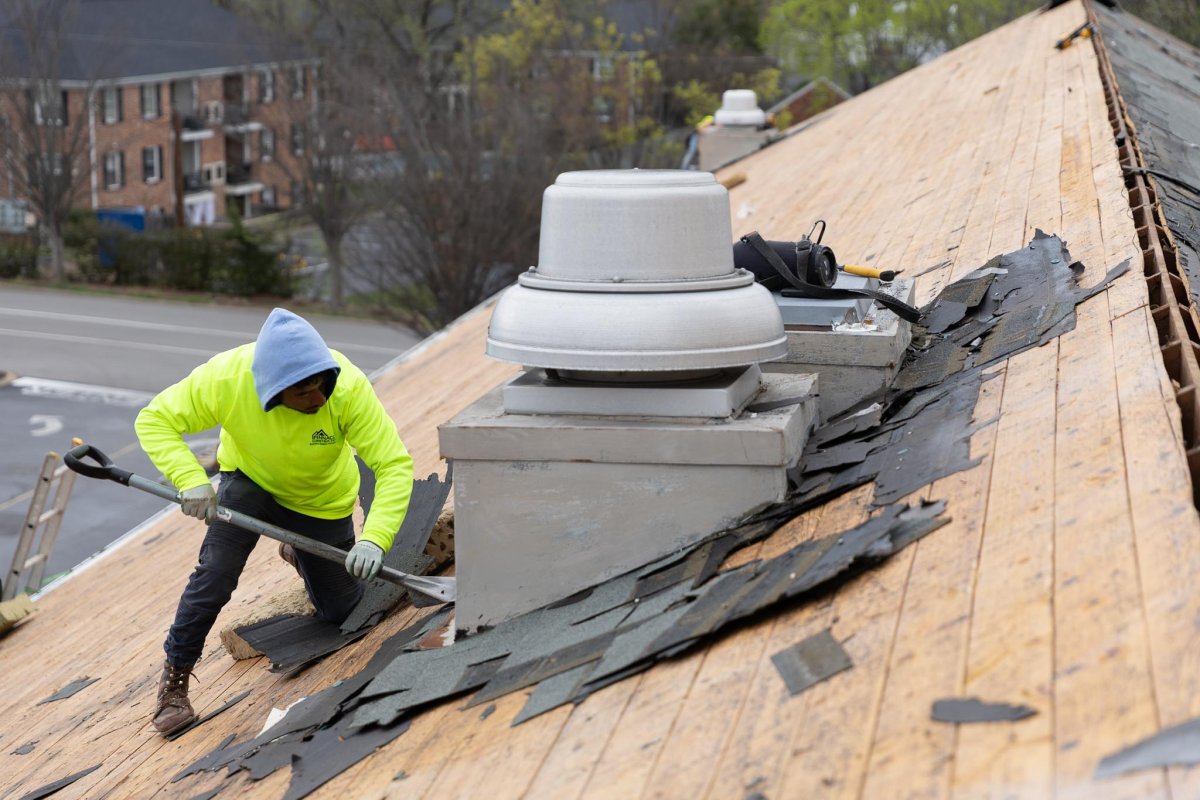
If you could see through your shingles right now, would you find a solid structure or a ticking clock of moisture and decay? Most Middle Tennessee homeowners wait for a visible ceiling stain before they look for the signs you need a new roof, but by then, the damage has often spread to the decking and insulation. It's completely normal to feel anxious about the potential cost of a replacement or to worry about being pressured into a project you don't actually need. You want to protect your home and your investment without the stress of navigating complex contractor quotes or confusing insurance paperwork.
This guide clarifies the situation by detailing ten critical red flags so you can make an informed decision with total confidence. We'll show you how to spot hidden structural issues and explain when a simple repair is enough versus when a full restoration is the only way to prevent costly interior repairs. You'll also learn how our specialized insurance solutions can simplify the restoration process, ensuring your home stays dry and your property value remains secure for years to come.
Key Takeaways
- Identify visible shingle decay like curling or granule loss in your gutters to catch damage before it breaches your home's interior.
- Learn how to perform an attic "daylight test" to find the critical signs you need a new roof that aren't visible from the ground.
- Understand how Middle Tennessee's unique climate, including Nashville hail storms and local humidity, impacts shingle bruising and moss growth.
- Master the "30% damage rule" to determine if a targeted repair or a full exterior restoration is the best long-term investment.
- Navigate the insurance claim process with confidence by understanding the role of professional restoration in protecting your property value.
Visible Exterior Damage: What Your Shingles Are Telling You
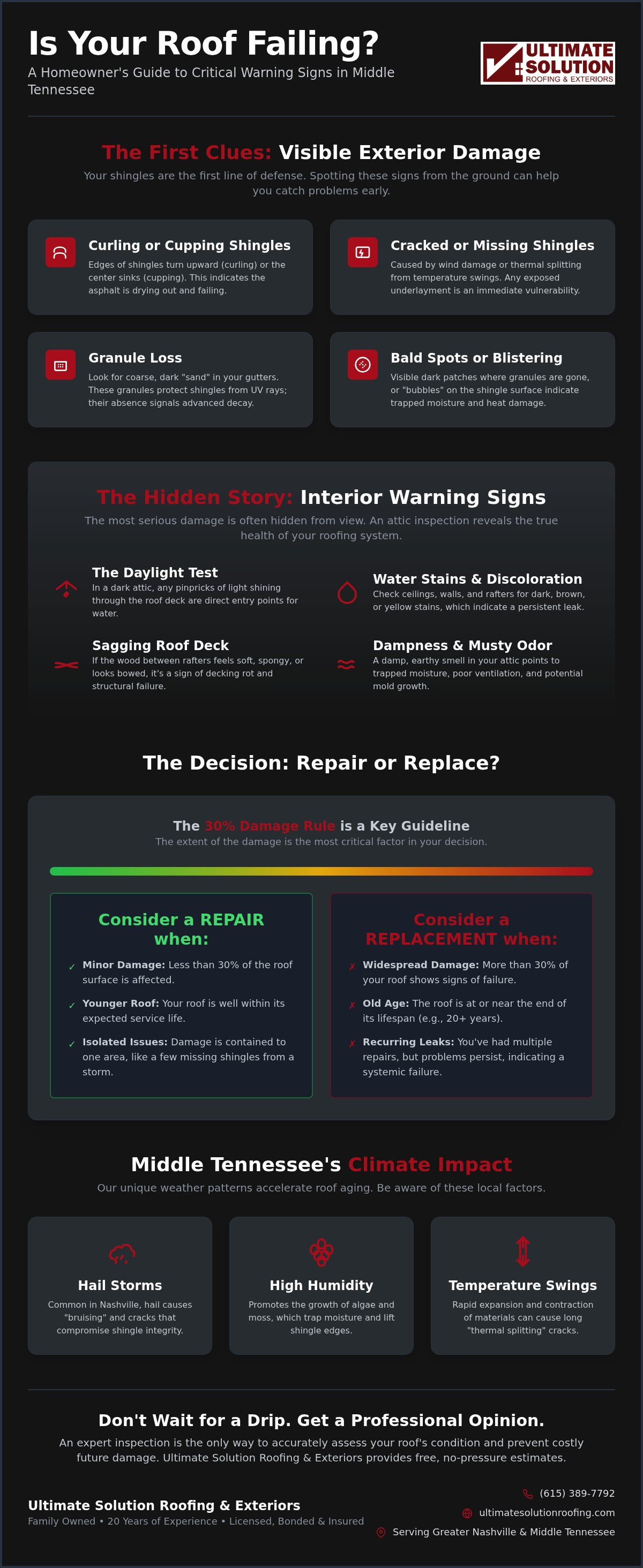
Visual inspection is the first line of defense for your home. When you look at your roof from the ground or a ladder, you're looking for physical distortions that indicate the material is failing. These are the most obvious signs you need a new roof, but they require a keen eye to distinguish between minor wear and structural compromise. Understanding the shape of your shingles is vital. "Cupping" happens when the center of the shingle sinks and the edges remain flat, while "curling" occurs when the edges turn upward or inward. Both indicate that the asphalt is drying out and losing its bond to the roof deck.
You should also watch for "thermal splitting." Unlike impact damage, these are long, horizontal cracks caused by extreme temperature swings common in Middle Tennessee. When the material expands and contracts too quickly, it literally tears itself apart. High wind events in Nashville and Franklin frequently strip shingles away entirely. If you see patches of dark underlayment or wood, your home is immediately vulnerable to water intrusion and requires professional roof repair solutions before the damage reaches your ceiling.
The Anatomy of Shingle Decay
The Tennessee sun is a relentless force. Over time, intense UV rays break down the complex asphalt shingle composition and damage the underlying mat. As the oils in the asphalt evaporate, the shingle becomes "brittle." If you touch a corner and it snaps off like a cracker instead of bending, the material has lost its protective flexibility. You might also notice "blistering," which looks like small bubbles on the surface. This usually happens when moisture was trapped in the shingle during manufacturing and expands in the heat, eventually popping and leaving the roof exposed.
Granule Loss: The "Sand" in Your Gutters
Granules are not just for aesthetics; they act as the "sunscreen" for your roofing system, shielding the asphalt from solar degradation. When these protective stones wash away, they often accumulate in your gutters and downspouts. If you find what looks like coarse, dark sand after a heavy rain, your shingles are thinning out. You can also spot "bald spots" where the granules have vanished, leaving the dark, shiny asphalt beneath visible. Granule loss represents the final stage of decay before total shingle failure occurs. For homes in Gallatin or Hendersonville, checking your gutter solutions for this sediment is a simple way to confirm the signs you need a new roof.
Interior Warning Signs: Detecting Leaks Before Disasters
While examining your home's exterior is a helpful first step, the attic often tells the real story. Many homeowners in Middle Tennessee overlook interior indicators until they see a major puddle on the floor. However, identifying the subtle signs you need a new roof from the inside can save you thousands in restoration costs. These interior signs of roof failure often start as minor moisture problems before escalating into full structural failure. You don't need to be a professional to spot these red flags; you just need to know where to look and what to feel for.
Take a close look at your insulation during your inspection. If you notice dark spots or recessed pockets in the fiberglass, it's a sign that water has been dripping there and compressing the material. Wet insulation loses its effectiveness, which means your HVAC system has to work harder to keep your home comfortable in the Tennessee heat. Checking your insulation for moisture is one of the most reliable signs you need a new roof before the damage becomes catastrophic and affects your home's air quality.
The Attic Inspection Checklist
Start by performing a "daylight test" on a sunny afternoon. Turn off all the attic lights and look up at the roof boards. If you see pinpricks of light peeking through the decking, water is likely following that same path. While some light near the ridge vent is normal for ventilation, light coming through the main slopes is a major concern. Check the nails holding the roof together. If they appear rusted or have white halos around them, they've been exposed to consistent moisture. Reach out and touch the wood decking; if it feels soft or spongy, you're looking at decking rot. This structural failure often accompanies a musty, damp odor, which indicates trapped humidity and potential mold growth.
Ceiling and Wall Discoloration
Water doesn't always travel in a straight line. It often runs down rafters and pools in unexpected places, causing peeling paint or bubbling wallpaper near the tops of your exterior walls. These stains usually appear yellow or brown because the water leaches tannins out of the wood structure as it passes through. It's helpful to differentiate between plumbing issues and roof leaks. If the stain is directly under a bathroom, it's likely a pipe. If it appears after a heavy Nashville storm, it's almost certainly the roof. Use a pencil to mark the edge of any new stain. If the mark is outside the lines after the next rain, you've confirmed an active leak. If you notice these changes, it's time to schedule a professional assessment to prevent further interior damage.
Structural and Accessory Red Flags: Beyond the Roof Surface
Many homeowners focus solely on shingles, but the most dangerous signs you need a new roof are often structural. A roof is an integrated system. If the flashing, gutters, or decking fail, the most expensive shingles in the world won't keep you dry. You should look for "pop-ups," which are nails that have backed out of the wood due to the intense temperature fluctuations we see in Tennessee. These lifted nails create small "tents" in your shingles, allowing wind-driven rain to bypass your primary barrier and reach the wood deck beneath.
Flashing Failure: The #1 Cause of Leaks
Flashing is the metal material installed at transition points like chimneys, vents, and skylights. If you see rust, corrosion, or gaps in these metal pieces, your home is at risk. Some contractors rely on "caulk-only" repairs to save time, but these are temporary patches that eventually crack and fail. For Middle Tennessee homes with complex rooflines and multiple gables, "step flashing" is critical. This technique overlaps metal pieces with shingles to create a water-tight, tiered barrier. If your flashing is pulling away or corroded, it's a clear indicator of systemic moisture mismanagement that requires professional roof repair solutions.
Don't ignore the state of your gutters during your inspection. If they are pulling away from the fascia board or constantly clogging with debris, they're likely backing water up under the roof's edge. This leads to wood rot along the eaves and can even damage your siding. Our gutter solutions ensure that water moves efficiently away from your structure, protecting the roof's integrity and preventing the foundation issues that often follow poor drainage.
Sagging Rooflines and Deck Rot
Take a walk to the curb and look at your house from a distance. Does the roofline look perfectly straight, or do you see "waves," dips, or sags in the surface? A sagging roofline usually signals that the underlying wood decking is rotting or that the rafters have been compromised. This is frequently caused by poor attic ventilation, which traps heat and moisture, literally cooking the wood decking from the inside out until it loses its structural strength. A sagging roof often requires immediate professional intervention.
If you notice these structural red flags, a simple patch is rarely enough to ensure long-term safety. You need a comprehensive residential roofing assessment to determine if the deck itself is salvageable or if the rot has spread too far. Addressing these accessory issues early is one of the most important signs you need a new roof before a minor leak turns into a major structural collapse.
Middle Tennessee Factors: Storms, Humidity, and Age
Local climate is the single most important factor in determining how long your roofing system will last. In Middle Tennessee, we face a combination of extreme summer heat, high humidity, and volatile storm seasons. These environmental stressors often mean the signs you need a new roof appear much sooner than they would in more temperate regions. While a manufacturer might offer a 30-year warranty, the "20-Year Rule" is a more realistic benchmark for homes in Nashville. After two decades of intense Tennessee sun and winter ice, the asphalt usually loses its ability to protect the structure.
Wind damage patterns are also a major concern, particularly in the open landscapes of Lebanon and Murfreesboro. Without natural windbreaks or hills to slow them down, these areas experience sustained gusts that can easily lift aging shingles. If you see a pattern of shingles peeling back from the edges of your roof or "creased" shingles on the slopes, it's a sign of wind uplift. This compromises your entire exterior restoration and leaves the wood deck vulnerable to the next heavy rain.
Hail Damage: The Invisible Killer
Hail is often called the invisible killer of roofing systems because it doesn't always cause immediate leaks. Nashville hail storms frequently cause "bruising," where the impact of a stone larger than one inch shatters the underlying fiberglass mat. You might not see a hole, but the structural integrity is gone. This damage often goes unnoticed by homeowners until years later when the shingle finally fails. A professional inspection is vital after any significant hail event to document these hidden fractures for your insurance solutions.
Regional Climate Stress
Humidity in Gallatin and Hendersonville creates the perfect breeding ground for Gloeocapsa magma, the black algae that causes dark streaks on your roof. This is more than an aesthetic issue. The algae eats the limestone filler in your shingles, making them thinner and more prone to cracking over time. Our Nashville Roof Replacement guide details how these local factors influence the long-term ROI of your property. Rapid freeze-thaw cycles in the winter also stress the materials, causing shingles to expand and contract until they eventually split.
The Decision Framework: Roof Repair vs. Full Replacement
Once you've identified several signs you need a new roof, you must decide whether to patch the problem or invest in a full replacement. This decision often hinges on the "percentage of damage" rule. If more than 30% of your roof surface shows signs of failure, a repair is usually a temporary fix that only delays the inevitable. While a single patch seems cheaper today, the cumulative cost of repeated repairs often exceeds the long-term ROI of a new system. A complete replacement also provides the chance for a comprehensive exterior restoration. We ensure your siding solutions and gutter solutions integrate perfectly to provide total protection for your property.
When a Professional Inspection is Non-Negotiable
DIY inspections from a ladder are dangerous and frequently miss the root cause of a leak. A homeowner might see a few missing shingles, but a seasoned professional looks for microscopic fractures in the shingle mat or improper ventilation in the attic. We provide a written condition report for your property records. This document is a valuable asset if you ever plan to sell your home or need to verify the age of your roof for a future buyer. It moves beyond surface-level guesses to provide a clear, technical assessment of your home's health. Having this data on hand helps you avoid being overcharged by contractors who lack a methodical approach.
Navigating Insurance and Restoration
If a Nashville storm caused the damage, you can often utilize insurance solutions to cover the cost of a new system. Many Middle Tennessee residents aren't aware that there's a strict "window of opportunity" for filing these claims. Waiting too long after a hail event can lead to a claim denial, even if the damage is clearly visible. Ultimate Solution Roofing streamlines this entire process. We act as your local expert, documenting the entire scope of the project from the initial assessment to the final shingle. Our team ensures your insurance carrier sees the full picture of the damage, replacing homeowner anxiety with peace of mind. We take pride in being a hands-on partner that values transparency and thoroughness throughout the restoration.
Taking action now prevents the hidden leaks that lead to mold and structural decay. We focus on providing steady, supportive guidance so you feel confident in your restoration choices. Our commitment to excellence ensures that your property remains a safe, dry haven for your family for years to come. Whether you need a complex specialty roofing installation or a standard shingle replacement, our goal is to deliver a result that enhances your home's value and security.
Securing Your Property for the Years Ahead
Identifying the signs you need a new roof is the first step toward safeguarding your family's most significant investment. By spotting shingle decay and interior moisture early, you prevent minor leaks from becoming major structural failures. Middle Tennessee's unique climate demands a proactive approach, especially when dealing with the aftermath of Nashville's seasonal hail and wind storms. You don't have to navigate these complex restoration decisions alone.
As a locally owned and operated partner, we focus on providing comprehensive roofing, siding, and gutter solutions that handle the entire scope of your project. Our team acts as your expert guide through insurance-backed exterior restoration, replacing confusion with a clear path forward. We take pride in our regional standing and our commitment to professional craftsmanship that lasts.
Your home deserves the protection of a reliable, well-maintained exterior. Take the next step today to ensure your property remains secure, dry, and beautiful for decades to come.
Frequently Asked Questions
Is it okay to just put a new roof over the old one (overlay)?
An overlay is rarely recommended for Middle Tennessee homes because it hides the condition of the underlying wood deck. Adding a second layer of shingles also traps excessive heat during our humid Nashville summers, which causes the new shingles to age prematurely. A full tear-off is the only way to ensure your property has a solid foundation. This process allows us to identify rot and replace damaged decking before installing your new roofing system.
How long should a standard asphalt shingle roof last in Tennessee?
Most asphalt shingle systems in Middle Tennessee last between 15 and 20 years. While some products are rated for longer, our local humidity and frequent storm cycles often shorten that lifespan. You should start looking for the signs you need a new roof once your shingles pass the 15-year mark. Regular inspections in cities like Franklin and Brentwood can help you plan for a replacement before an active leak causes interior damage.
Does homeowners insurance cover a new roof if it is just old?
Standard homeowners insurance policies don't cover roof replacements due to age or general wear and tear. Insurance is designed to protect you against sudden, accidental events like Nashville hail storms or high wind damage. If your roof has reached the end of its natural life without a specific storm event, the cost of replacement is typically a maintenance expense. We provide specialized insurance solutions to help you determine if your damage qualifies for a claim.
What is the best time of year to replace a roof in Middle Tennessee?
Spring and Fall are the ideal seasons for roof replacement in Middle Tennessee. The moderate temperatures during these months allow the shingle adhesive to seal properly without the extreme heat of a July afternoon in Gallatin or Murfreesboro. While we can install roofs year-round, avoiding the peak summer humidity and the coldest winter weeks ensures the best results. Scheduling your project in the off-peak months can also result in faster turnaround times for your home.
Can I replace just a section of my roof instead of the whole thing?
You can replace just a section of your roof if the damage is confined to one area, such as a fallen limb or a small leak. However, this is often a short-term fix if the rest of the roof is aging. It's difficult to match shingle colors perfectly due to weathering, which can impact your home's curb appeal in neighborhoods like Mount Juliet. If more than 30% of the surface shows wear, a full replacement is usually more cost-effective.
How do I know if my roof has hail damage if I cannot see it from the ground?
Hail damage is often invisible from the ground because it manifests as small "bruises" rather than large holes. These impacts shatter the fiberglass mat inside the shingle, which you can only feel by hand or see during a close-up inspection. Our team uses specialized tools to document these fractures, which are common after storms in Hendersonville and Lebanon. A professional assessment is the only way to confirm if your roof's structural integrity is compromised.
What happens if I ignore the signs of a failing roof?
Ignoring the signs you need a new roof leads to cascading damage throughout your home. Small leaks eventually rot the wood decking and rafters, which compromises the structural stability of your house. Moisture also breeds mold in your attic insulation, which can impact the air quality for your family in Portland or White House. Addressing these red flags early prevents the need for much more expensive interior restoration projects and protects your overall property value.
How long does a typical roof replacement take in Nashville?
A typical residential roof replacement in Nashville takes one to two days to complete. Larger homes or those with complex specialty roofing designs might require additional time for detail work and flashing installation. We prioritize efficiency and cleanliness, ensuring that your yard is clear of debris at the end of each workday. Our goal is to provide a seamless transition that restores your home's protection with minimal disruption to your daily routine in Smyrna.

Article by
Harry Stanley III
Harry Stanley III is a construction marketing strategist and fractional CMO at H&A Marketing. He has helped construction companies grow through website strategy, SEO, paid advertising, branding, lead generation, CRM systems, and professional content. His past work includes helping Meraki Solar generate an additional $3.7 million in revenue in his first year and supporting American Builders as a fractional CMO. Today, Harry works directly with custom home builders and construction companies to build marketing systems designed to generate qualified leads and measurable growth. https://harryandally.com